

Picture a couple selecting an engagement ring. One question rises above all others: where did this diamond originate? This leads many toward ethical diamonds—conflict-free stones mined responsibly or lab-grown using clean energy. Essential considerations include:
- fair wages for workers
- safe mining conditions
- minimal environmental impact
- transparent sourcing
Industry data reveals significant growth in lab-grown and certified conflict-free diamonds, with younger consumers driving demand. Gen Z and millennial buyers increasingly favor brands that protect both people and the planet.
Traditional diamonds retain their allure, but purpose carries greater weight today. Couples seek both romance and responsibility. Ahead, discover what defines ethical diamonds, why origin matters, and how conscious choices deliver enduring peace of mind.
What Makes a Diamond “Ethical”?
When people hear ethical diamond choice, they often thinkconflict-freee. The Kimberley Process keeps stones funding wars out of trade but ignores worker safety, fair pay, and environmental damage. True ethical diamonds consider the full journey from mine or lab to ring.
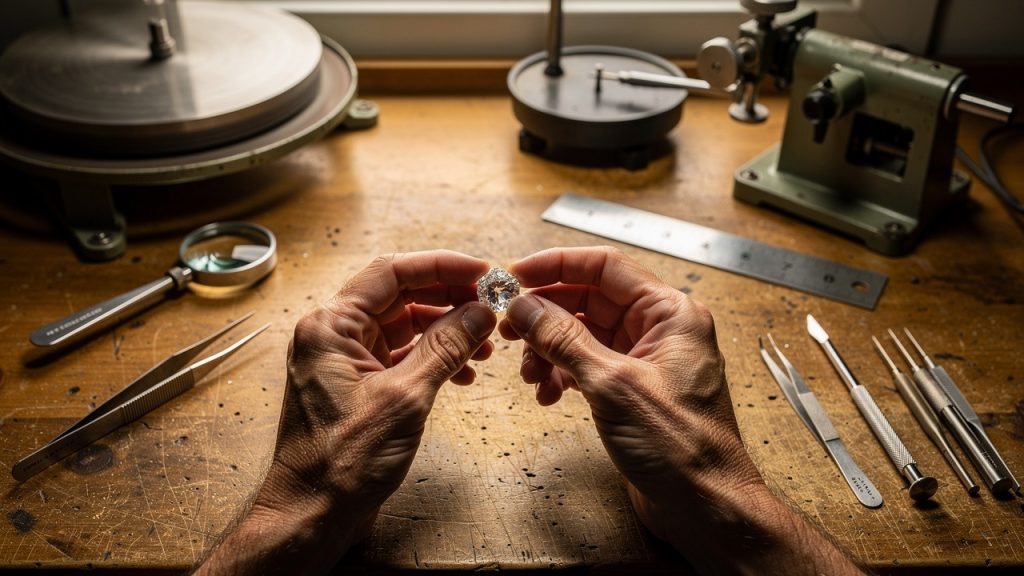
Lab-grown diamonds offer a clear path. Scientists grow diamonds in controlled settings using underground heat and pressure. These stones match mined diamonds in properties and sparkle. Labs make energy use and worker safety easier to manage, with some producers publishing renewable power and carbon data.
Responsible mines pay fair wages, follow safety rules, repair land after digging, and support nearby communities. They track each diamond from the ground to the cutting center. When money stays local, stones become sources of pride.
Independent labels verify these promises. The Responsible Jewellery Council (RJC) sets labor and environmental standards with regular audits. Fairtrade Gold and Precious Metals marks support small‑scale miners with fair pay. Standards like SCS 007 focus on lab diamonds and traceability, giving buyers trust.
The Rising Awareness of Diamond Industry Practices
Films and news about blood diamonds revealed how some stones funded wars and harmed communities. Shoppers began asking better questions about what happened before a diamond reached the display case.
The focus expanded beyond conflict zones. Reports showed large‑scale mining strips forests, pollutes rivers, and leaves giant pits that alter landscapes for generations. Human rights groups flagged child labor, unsafe conditions, and workers enduring long hours for minimal pay. Social media made these stories spread instantly.
Millennial and Gen Z shoppers now expect brands to demonstrate clear responsibility. India plays a key role in this shift—cities like Surat cut and polish much of the world’s small stones, while the country is a rapidly growing market for bridal jewelry. Through online reviews, influencer posts, and brand websites, buyers can verify claims and seek proof. This awareness drives many couples to
search for ethical options.

Why Modern Couples Prioritize Ethics in Their Diamond Choices
For many couples, a ring symbolizes their promise. When it holds a diamond, they want its story to match their values. Choosing an ethical diamond lets them celebrate love without uncomfortable questions.
Modern relationships value openness, extending to diamond shopping. Proposals shared on social media reach wide audiences, creating responsibility within that circle. When they can trace the diamond from source to store, or confirm it was lab-grown, the story feels honest.
Environmental concern drives choices, too. The younger generation is aware of climate change and resource stress try to reduce harm. Picking a lab-grown diamond using renewable power, or a mined diamond from land-restoration projects, fits that mindset. In India, where diamonds are wedding staples, couples seek rings honoring tradition while respecting the planet.
Social circles matter. When friends compare proposal stories or discuss worker rights, a random diamond feels wrong. Ethical certifications offer simple proof of responsible choices. This peace of mind transforms how the diamond feels—crucial for a lifelong commitment symbol.
The Benefits Beyond Ethics: Why Ethical Diamonds Make Practical Sense
Ethical diamonds appeal to the heart and often make financial sense. Lab-grown diamonds cost twenty to forty percent less than mined stones of comparable quality, allowing couples to choose larger carats, higher clarity, or detailed settings without budget strain. Flexible supply means more freedom to explore shapes, colors, and matching pairs.
This flexibility allows couples to explore styles that feel personal, such as rose gold solitaire diamond engagement rings. Rose gold’s warm tone complements many skin tones and pairs beautifully with both mined and lab-grown ethical diamonds. Combined with a solitaire setting, it offers a timeless look while keeping the focus on a responsibly sourced stone.
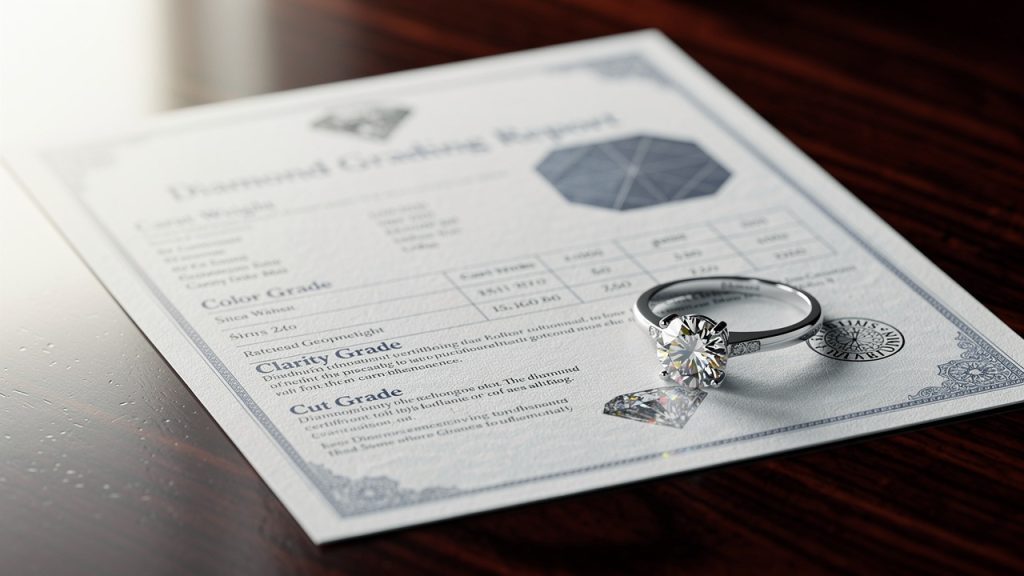
Many ethical diamond brands provide detailed grading reports, origin records, and supply chain maps. This documentation supports value and simplifies insurance or resale. Supporting companies with cleaner technology helps push the jewelry industry toward better practices.
Sourcing regulations grow tighter yearly. Choosing ethical diamonds now positions couples ahead of rule changes. Clear provenance records increase trust when rings are passed down, appraised, or sold, showing exactly what buyers receive. Ethical choices benefit both present feelings and jewelry longevity.
Knowing that a symbol of love hides no harm brings quiet benefit. Each time the ring catches light, couples enjoy the sparkle without guilt, deepening their connection to the piece. Clear sourcing supports retailers and educators who share these values.
Conclusion
The shift toward ethical diamonds is driven by three forces: consumers now understand the diamond supply chain and reject harm; couples want their values reflected in choices that appear in photos and daily life; and ethical options offer better prices, quality, and documentation.
Far from diminishing romance, ethical sourcing adds meaning to a diamond. It allows couples in India and worldwide to enjoy solitaire rings, Polki sets, and bracelets while honoring the people and places behind each stone. A traced, fairly made diamond shines just as brilliantly while telling a cleaner story.
When choosing diamond jewelry, ask about origin, certifications, and mining or lab practices. These questions show the industry that ethics matter as much as design and sparkle. Compare options and pick stones that feel right in the hand and in the heart. The future of diamonds can be bright in multiple ways, with beauty and responsibility shining together.