
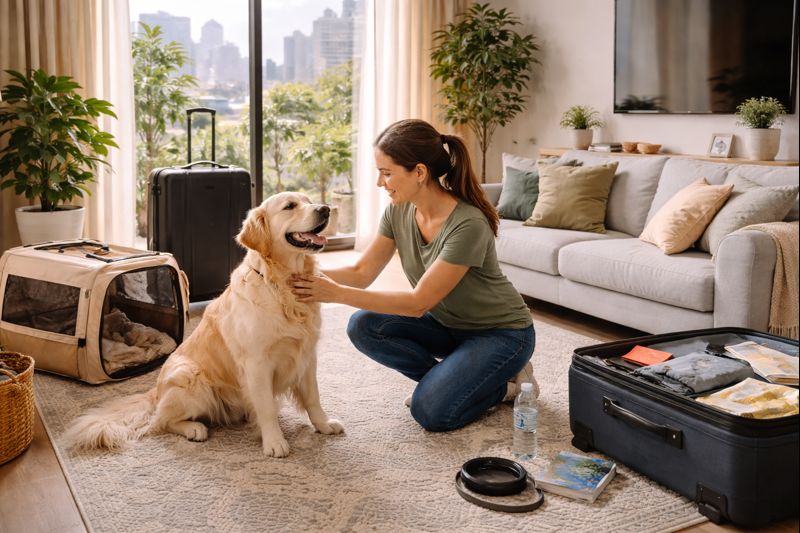
Traveling with pets has become increasingly common as people seek meaningful experiences without leaving beloved companions behind. Whether you are traveling for leisure, relocation, or extended work stays, bringing a pet adds an extra layer of planning. Beyond transportation, pet-friendly travel requires attention to accommodation policies, local regulations, and your pet’s comfort. When done thoughtfully, traveling together can be enriching rather than overwhelming. This guide walks you through essential strategies to help you confidently navigate pet-friendly short-term stays while ensuring safety, convenience, and enjoyment for both you and your pet.

Preparing Before You Go
Preparation is the foundation of successful pet travel. Start by researching destination-specific rules such as vaccination requirements, leash laws, and breed or size restrictions. Transportation providers—including airlines, trains, and car rentals—often have different pet policies, so confirm details well in advance. Pack essentials like food, medications, health records, grooming supplies, and familiar items such as toys or bedding. These familiar scents can help ease anxiety in new environments. It is also wise to locate nearby veterinarians and emergency clinics before arrival. Thoughtful preparation minimizes stress and allows you to adapt smoothly if plans change unexpectedly.
Choosing the Right Pet-Friendly Accommodation
Selecting suitable accommodations is one of the most important decisions when traveling with pets. Look for listings that clearly outline pet policies, fees, and any restrictions. Space, layout, and nearby outdoor access all matter when pets are adjusting to a new setting. Many urban travelers prefer brownstones in Brooklyn for rent because they offer more room than hotels, kitchens for maintaining feeding routines, and walkable neighborhoods for daily exercise. Reading reviews from fellow pet owners can reveal valuable insights about cleanliness, noise tolerance, and host responsiveness. The right accommodation becomes a comfortable base where pets can relax and recharge.
Communicating with Hosts and Setting Expectations
Open communication with hosts helps prevent misunderstandings and creates a positive experience. Reach out before booking to clarify rules about noise, cleaning expectations, and shared spaces. Be transparent about your pet’s size, breed, and behavior. Responsible communication builds trust and may lead to added flexibility, such as adjusted check-in times or recommendations for local pet services. Once you arrive, establish routines quickly by designating feeding and sleeping areas. Familiar structure helps pets settle in and reduces disruptive behavior, ensuring a respectful stay for both hosts and neighbors.
Getting Around with Pets
Transportation within your destination deserves careful consideration. Cities vary widely in pet-friendly public transit options, rideshare policies, and walkability. Researching these details in advance prevents frustration and long detours. If driving, plan frequent stops for hydration and exercise. For public transportation, use approved carriers or harnesses to keep pets secure and compliant with local rules. Traveling during off-peak hours can reduce stress caused by crowds and noise. Thoughtful transportation planning supports smoother days and helps pets remain calm and comfortable throughout your trip.
Finding Pet-Friendly Amenities Nearby
Access to pet-friendly amenities can greatly enhance your travel experience. Parks, dog runs, grooming salons, pet supply stores, and cafes with outdoor seating all help maintain normal routines. Travelers often prioritize neighborhoods near brownstones in Brooklyn for rent for their access to green spaces, professional pet services, and pedestrian-friendly streets. Mapping these amenities in advance saves energy and avoids last-minute scrambling, and if you enjoy practical lifestyle guidance, you can explore more related reads on this website for additional tips. Balancing sightseeing with downtime in pet-friendly areas ensures pets get enough exercise and rest, which is especially important during longer stays or frequent relocations.
Maintaining Pet Health and Well-Being
Consistency is key to keeping pets healthy while traveling. Stick to regular feeding times, monitor water intake, and watch closely for signs of stress or fatigue. Changes in climate, altitude, or activity levels may require adjustments, so pace your itinerary accordingly. Always supervise pets in unfamiliar environments and follow local rules regarding leashes and waste disposal. Respectful pet ownership reflects positively on travelers and encourages more inclusive accommodation policies. Prioritizing health and good behavior helps create a welcoming environment for future pet-friendly travelers.

Final Thoughts
Traveling with pets is ultimately about balance, preparation, and empathy. By researching regulations, selecting appropriate accommodations, communicating clearly, and respecting shared spaces, you can create a smooth and enjoyable experience. Pet-friendly short-term stays offer flexibility and comfort when approached responsibly. Each successful trip builds confidence and strengthens the bond between you and your pet. With mindful planning and adaptability, travel becomes more inclusive and rewarding, allowing pets to be welcomed companions rather than obstacles on your journey.