
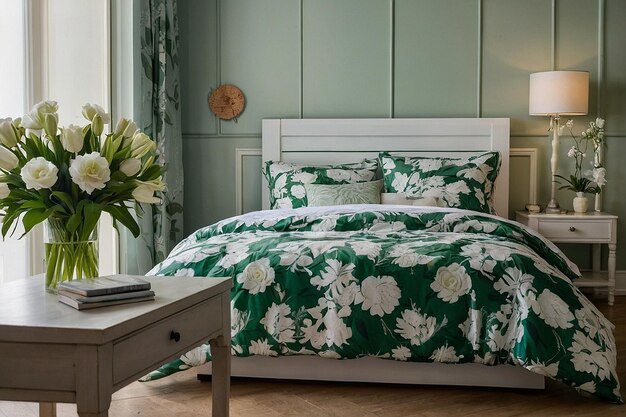
A great night’s sleep often begins with a simple decision: what touches your skin for the next seven to nine hours. Bedsheets can feel cooling or cozy, crisp or drapey, structured or relaxed, and those differences matter more than most people expect. When the weather swings through the year, the “perfect” set in July can feel wrong by December, so choosing with seasons in mind helps you stay comfortable without constantly replacing your bedding.
Why Seasonal Choices Matter More Than You Think
Your body temperature naturally rises and falls overnight, and the room’s humidity can amplify that effect. A sheet that traps heat may feel soothing in cold months but stifling in warmer ones, while an ultra-light set that feels breezy in summer might leave you restless when the air turns dry and cool. For many households, a double cot bedsheet becomes a daily essential, and selecting the right material for temperature control can make the difference between waking refreshed and waking irritated.
Fibers That Define Comfort
Fabric is the foundation of how sheets perform. Cotton remains popular because it can be woven into different textures and weights, linen is prized for airflow and a relaxed hand-feel, and bamboo-derived viscose is often chosen for a smooth, cool sensation. Microfiber is common for its affordability and softness, though it may not breathe as well as natural fibers. If you run hot, the fiber’s ability to release heat and moisture is usually more important than how plush it feels in the package.
Weaves and Finishes That Change Everything
Two sheets made from the same fiber can feel completely different due to the weave. Percale is typically crisp and light with a matte look, while sateen is smoother with a subtle sheen and a slightly warmer feel. Jersey stretches and feels casual like a soft tee, and flannel is brushed for warmth and softness. Marketing often pushes thread count, but it’s wiser to consider yarn quality and weave balance, because an inflated number doesn’t guarantee comfort or longevity.
Hot Months: Staying Cool Without Feeling Bare
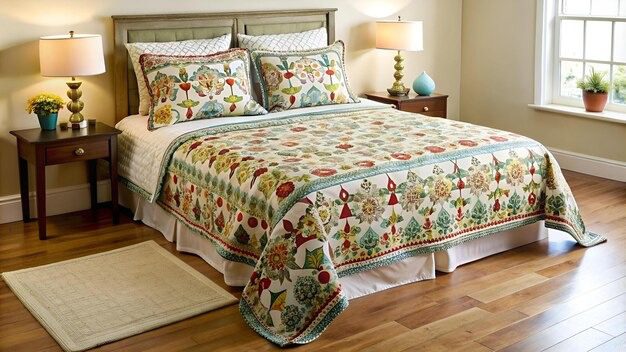
For spring and summer, the best choices tend to be lightweight and breathable. Percale cotton offers a clean, airy feel that stays pleasant even when nights are humid. Linen is another strong option because it ventilates well and becomes softer over time, offering a relaxed comfort that many warm sleepers love. In very humid climates, sheets that dry quickly and don’t cling can help you feel calmer and less restless through the night, especially when fans or AC cycles on and off.
Cold Months: Soft Warmth Without Overheating
When temperatures drop, your sheets should feel comforting without turning into a heat trap. Flannel is an easy win for cold bedrooms because it holds warmth while staying gentle against skin. Sateen cotton can also feel warmer than percale, making it a good choice when you want softness with a bit more coziness. If you tend to overheat under heavy blankets, pick mid-weight sheets and rely on layering so you can adjust warmth without sacrificing breathability.
In-Between Seasons: The “One Set That Works” Strategy
Autumn and early spring can shift from warm to chilly within the same week. Mid-weight cotton, soft-washed linen, or a balanced sateen set often performs well here because it adapts to changing conditions. Many sleepers keep two options on hand, one cooler set and one warmer set; then mix and match pillowcases or top sheets as needed. Small swaps can keep your bed feeling right without redoing your whole setup.
Fit, Size, and Practical Features That Save Your Sleep
Comfort disappears quickly if the sheets bunch, slip, or pop off the corners. Measure your mattress height, especially if you use a topper, and look for strong elastic and corners that hold their shape. Sturdy stitching and clear fabric labels are signs of better construction. Easy-care matters too: a set that can be washed and dried without complicated rules is more likely to stay in rotation and stay fresh week after week.

Style That Feels Calm and Current
Sheets are a major visual surface, so they can quietly set the tone of the room. Neutrals feel serene and flexible, while muted colors can add character without overpowering the space. If you like a curated look, match undertones rather than trying to make every piece identical. Subtle texture, like a crisp sheet under a soft throw, adds depth. When you want a quick refresh, small changes can go a long way, and thoughtful home decor ideas often start with bedding because it’s both practical and expressive.
Smart Buying Habits for Long-Lasting Bedding
To make sheets last, rotate at least two sets so each one gets a break. Follow care instructions, but also use common-sense habits: avoid too much detergent, skip harsh fabric softeners that can build up over time, and dry on moderate heat to reduce fiber damage. Consider how a fabric will age. Linen tends to become softer, while some cheaper weaves may pill. If you’re aiming for a polished bedroom that still feels livable, a few elegant bedding trends focus on quality basics, clean palettes, and tactile layering rather than flashy patterns.
Conclusion
The best bedsheets are the ones that match your real life: your climate, your sleep temperature, your skin comfort, and how much effort you want to spend on laundry. By choosing fibers and weaves with seasonal needs in mind, prioritizing fit, and adding style through color and texture, you can create a bed that stays comfortable all year. A thoughtful sheet choice is a small upgrade that pays you back every single night.


