

Early childhood is a period of astonishing change. In just a few short years, children learn to communicate needs, interpret emotions, coordinate their bodies, and make sense of patterns in the world around them. The experiences offered during this window can nurture curiosity, confidence, and resilience or leave gaps that are harder to close later. When adults thoughtfully shape the earliest learning environment, they do more than teach letters and numbers; they help children build the habits and inner tools that influence how they approach challenges for years to come.
Brain Building Happens Through Everyday Moments
During the early years, the brain forms connections at a remarkable pace, and those connections strengthen through repeated, meaningful experiences. Simple routines, such as greeting caregivers, singing songs, sorting toys, and listening to stories, become powerful learning events when they feel safe and engaging. A child who is encouraged to ask “why” and “how” learns that thinking is welcomed, not judged. This is why families often look for communities that combine warmth with structure, and in a city with many options, selecting the top primary school in Bangalore can feel less about prestige and more about finding a setting where daily interactions consistently support healthy development.
Language Is More Than Vocabulary
Young children don’t just “pick up words”; they learn how language works in relationships. Conversations at snack time teach turn-taking. Storytime teaches sequence and prediction. Sharing news about a weekend teaches memory and detail. When adults respond with interest by adding a question, offering a richer word, or reflecting feelings, children expand both expression and comprehension. The quality of these exchanges shapes later reading and writing, but it also shapes social life: children who can explain what they need and name what they feel are often better equipped to resolve conflicts and ask for help when they’re stuck.
Social Confidence Grows From Guided Interaction
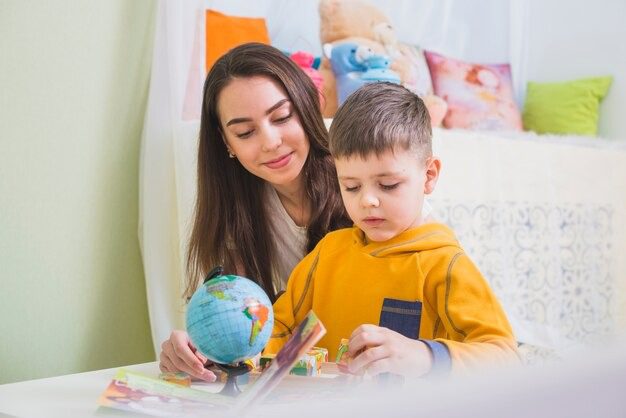
Classrooms and play settings are small societies where children practice cooperation, patience, and self-advocacy. Early education supports child growth by giving repeated chances to negotiate roles, share materials, and recover from disappointments in a protected space. A skilled educator doesn’t “solve” every dispute; they coach children to listen, use respectful words, and try again. Over time, children begin to internalize these strategies. The result is not perfect behavior but growing emotional flexibility and an ability to handle frustration without shutting down or lashing out.
Independence Emerges Through Purposeful Routines
Young learners thrive when routines are consistent yet not rigid. Predictable sequences, such as arrival, play, cleanup, and circle time, reduce anxiety and free mental energy for exploration. Within that structure, children can practice independence: putting away belongings, choosing an activity, completing a small task, and reflecting on what they made. When independence is treated as a skill rather than a personality trait, children learn that capability can be built. This sense of “I can try” becomes a lasting advantage, especially when schoolwork becomes more demanding later.
Play Is the Engine of Deep Understanding
Play is often misunderstood as “time off,” but in early education, it is where children test ideas and build meaning. When children pretend, they practice narrative thinking. When they build towers, they explore balance and cause-and-effect. When they play shop, they experiment with numbers, fairness, and negotiation. The most valuable environments offer rich materials and enough uninterrupted time for children to get absorbed, revise their plans, and collaborate. In those moments, adults can extend learning by observing closely and asking questions that invite children to explain their thinking rather than simply producing a “right answer.”
Foundations for Learning Are Built Through Skills, Not Pressure
Strong early programs avoid rushing children into performance and instead emphasize readiness skills that support long-term achievement. Attention control, working memory, and flexible thinking are essential for later academics, and these grow through games, storytelling, music, movement, and hands-on projects. Many educators use an education growth framework to ensure these capacities are nurtured alongside early literacy and numeracy, so children gain a balanced start. When expectations are developmentally appropriate, children experience challenges as something exciting rather than threatening.
Learning Environments Shape Motivation and Self-Belief
Children form beliefs about themselves as learners very early: “I’m good at this,” “Mistakes are bad,” or “Trying helps me improve.” Teachers who praise effort, strategy, and persistence help children build a growth-oriented mindset. Small design choices matter too: accessible shelves signal trust, calm spaces support regulation, and visual schedules foster security. When learning feels emotionally safe, children take intellectual risks, sharing ideas, attempting unfamiliar tasks, and accepting feedback. Those attitudes can carry forward into later schooling, where confidence often determines whether students engage fully or hold back.
Families Multiply the Benefits Through Consistent Support
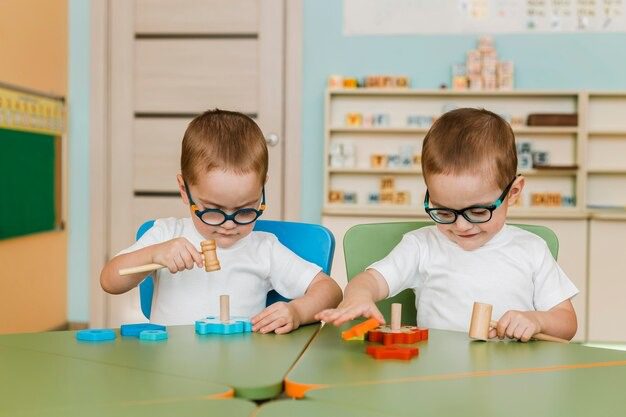
Early education works best when school and home reinforce one another. Families don’t need elaborate lessons; they need sustainable habits: reading together, talking during errands, involving children in simple household tasks, and celebrating curiosity. When educators share observations and practical strategies, families gain clearer insight into what a child is working on, such as self-control, pronunciation, friendships, or problem-solving. Over time, consistent messages across settings help children feel anchored. This partnership is especially valuable during transitions, such as starting school or moving into more structured learning.
Building Strong Habits Without Losing Joy
The goal of early education is not to create miniature adults. It is to protect childhood while strengthening the capacities that help children thrive. A good program balances play, movement, rest, and focused learning so children can develop stamina without burnout. It also recognizes that children learn differently, and it adapts with patience. In such spaces, effective learning emerges when children are engaged, respected, and gently stretched beyond what is easy, while still feeling supported enough to recover when something doesn’t work the first time.
Conclusion
Early education shapes far more than academic readiness. It influences how children manage emotions, communicate needs, approach challenges, and connect with others. When early experiences offer warmth, structure, and meaningful exploration, children gain skills that support lifelong growth. The best early settings protect curiosity and invite participation, helping children build confidence from everyday successes and setbacks alike. With that kind of start, learning becomes not a burden to carry, but a natural way to understand the world and themselves.