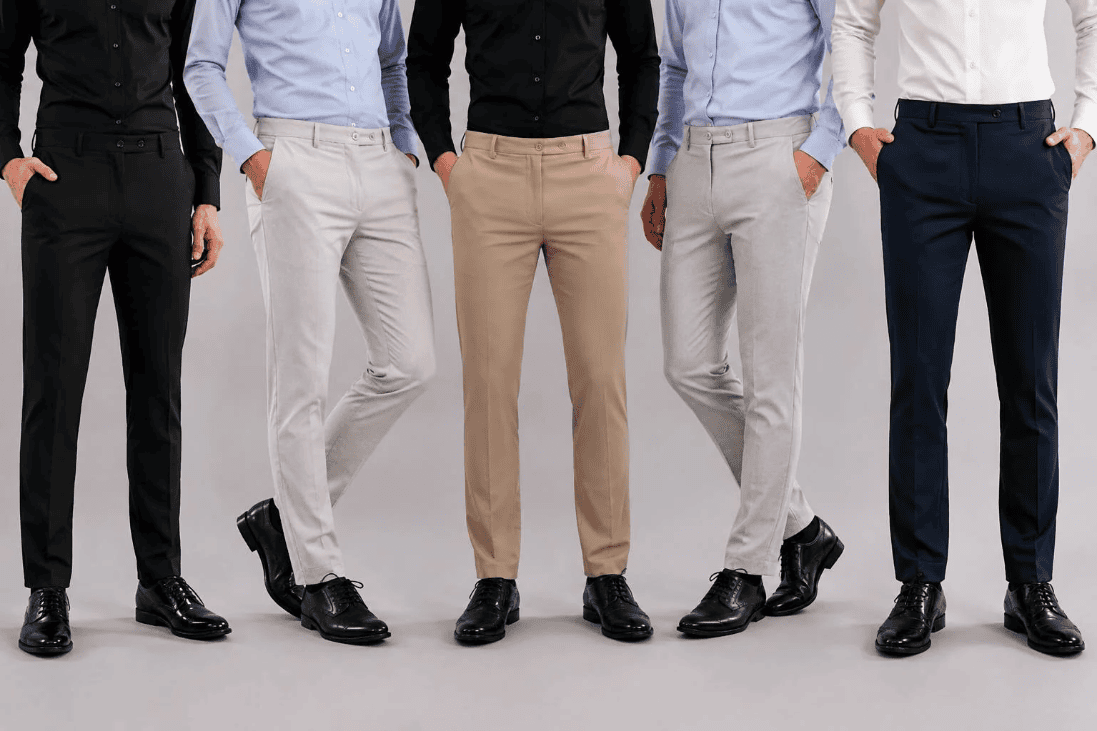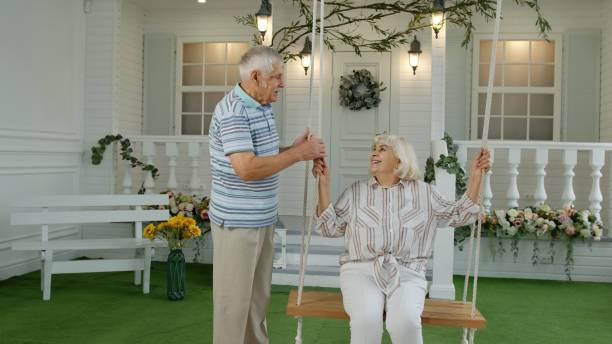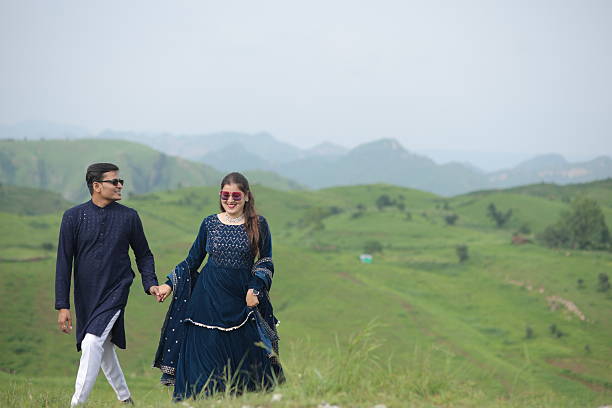
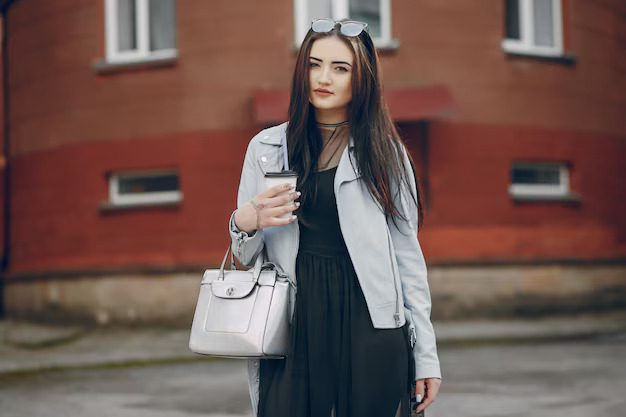
The rise of practical style in modern fashion culture is not a rejection of creativity; it is a recalibration of priorities. People still want to look expressive, but they also want clothing that survives real schedules, unpredictable weather, crowded commutes, and long hours. This shift is showing up in how wardrobes are built, how outfits are evaluated, and how consumers talk about what feels “worth it.” Practicality has become a form of confidence: when what you wear works, you move through the day with less friction and more focus.
Utility becomes a new kind of status
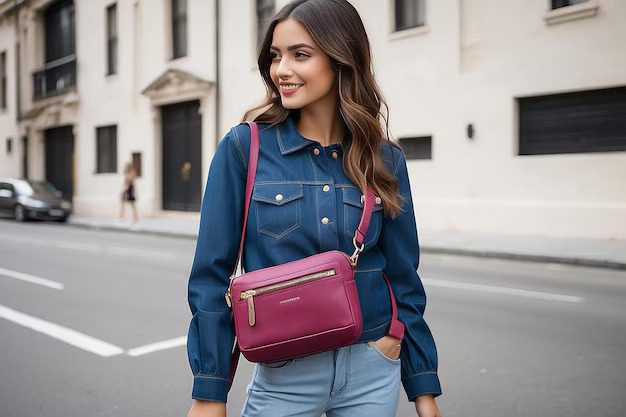
For a long time, status dressing leaned heavily on display pieces that signaled expense or exclusivity at first glance. Today, status often reads as competence: garments that function, last, and adapt. A well-made jacket with reliable pockets, shoes built for walking, or branded sling bags for women designed for everyday movement can communicate discernment more quietly. In modern fashion culture, looking capable is increasingly admired, and that admiration feeds the rise of practical style as a visible value system.
Busy routines are reshaping wardrobes
Daily life is less segmented than it used to be, and many people change settings multiple times in one day without time for full outfit swaps. A single look may need to handle work, errands, transit, and social plans with minimal adjustment. That reality pushes clothing toward flexibility: layers that regulate comfort, silhouettes that allow movement, and daily fashion essentials that support repeated wear across contexts. As routines compress, practical style becomes less of a preference and more of a survival strategy inside modern fashion culture.

Comfort is no longer treated as a compromise
Comfort used to be framed as the opposite of being well-dressed, as if ease automatically meant sloppy. That assumption has weakened. Now, comfort is often seen as part of polish because it affects posture, mood, and presence. When a waistband doesn’t pinch, and shoes don’t punish, people stand differently and speak more freely. The rise of practical style in modern fashion culture reflects this new logic: if a look feels good, it helps the wearer perform better, and performance matters.
Social media changed the proof required
Online life created constant documentation, but it also created constant critique. People can spot when an outfit works only in a posed moment and falls apart during movement. As a result, the “proof” of clothing has shifted from a single photo to repeat appearances across real contexts, walking, sitting, traveling, and working. Practical style thrives here because it holds up under repeated public visibility. Trendy fashion accessories also play a role by maintaining consistency across these varied real-world scenarios. In modern fashion culture, reliability is becoming as persuasive as novelty, especially when audiences reward outfits that look consistent across situations.
Quality and longevity regain relevance
Fast turnover once felt exciting, but many shoppers are now wary of items that lose shape, wear out quickly, or feel disposable. Practical style encourages a different mindset: fewer pieces, stronger construction, and purchases that pay off over time. This doesn’t mean everyone buys luxury; it often means people buy smarter, prioritize repairs, or choose materials and stitching that hold up. The rise of practical style in modern fashion culture is closely tied to a growing interest in longevity, because durability feels like freedom from constant replacement.
Workwear, outdoor gear, and tailoring intersect
One of the most interesting developments is how categories blend. Workwear details appear in everyday outfits; outdoor-inspired pieces show up in city wardrobes; relaxed tailoring becomes a bridge between comfort and structure. These hybrids allow people to look intentional while staying prepared for movement and changing conditions. Instead of dressing for a single identity, office-only, street-only, weekend-only, people build versatile combinations. In modern fashion culture, this mixing is a core driver of practical style because it expands what counts as “appropriate” without sacrificing function.
Consumers want transparency and performance claims
Another reason the practical style is rising is that shoppers ask harder questions. How does it wash? Does it stretch back? Does it resist wrinkles? Will it pill? What is the return policy if it fails? These are performance concerns, and they push brands to speak in specifics rather than vague hype. When a label can explain construction, care, and expected lifespan, it earns trust. Practical style, within modern fashion culture, is partly a response to buyers who treat clothing as equipment for life rather than props for one moment.
Minimalism evolves into versatility
Minimalism used to be interpreted as a strict uniform, but it has evolved into something more flexible: a compact wardrobe that still supports different moods and settings. Practical style thrives on this evolution because it values combinations that work repeatedly without feeling repetitive. The emphasis is on pieces that integrate easily with outerwear that fits over multiple layers, bottoms that pair with many tops, and shoes that can cross contexts. In modern fashion culture, the most practical wardrobes are not boring; they are modular, and modularity lets people express themselves without excess.
Conclusion
The rise of practical style in modern fashion culture reflects a broader shift toward clothing that earns its place through usefulness, comfort, and longevity. As routines become busier and visibility becomes constant, people increasingly choose outfits that perform across settings rather than impress only in controlled moments. Utility-driven status, hybrid categories, smarter shopping habits, and the demand for transparency all reinforce the same direction: practicality is not the enemy of fashion; it is a new foundation for it. When what you wear supports how you live, style stops being a separate project and becomes part of a smoother, more capable day.