The best workwear for teachers and professors is not about dressing formally every single day, but about creating a reliable wardrobe that supports long academic hours while maintaining a respectful and approachable presence. Since educators interact with students, colleagues, and academic environments daily, their clothing should reflect clarity, confidence, and comfort without appearing overly rigid or distracting.
Building a dependable academic wardrobe base
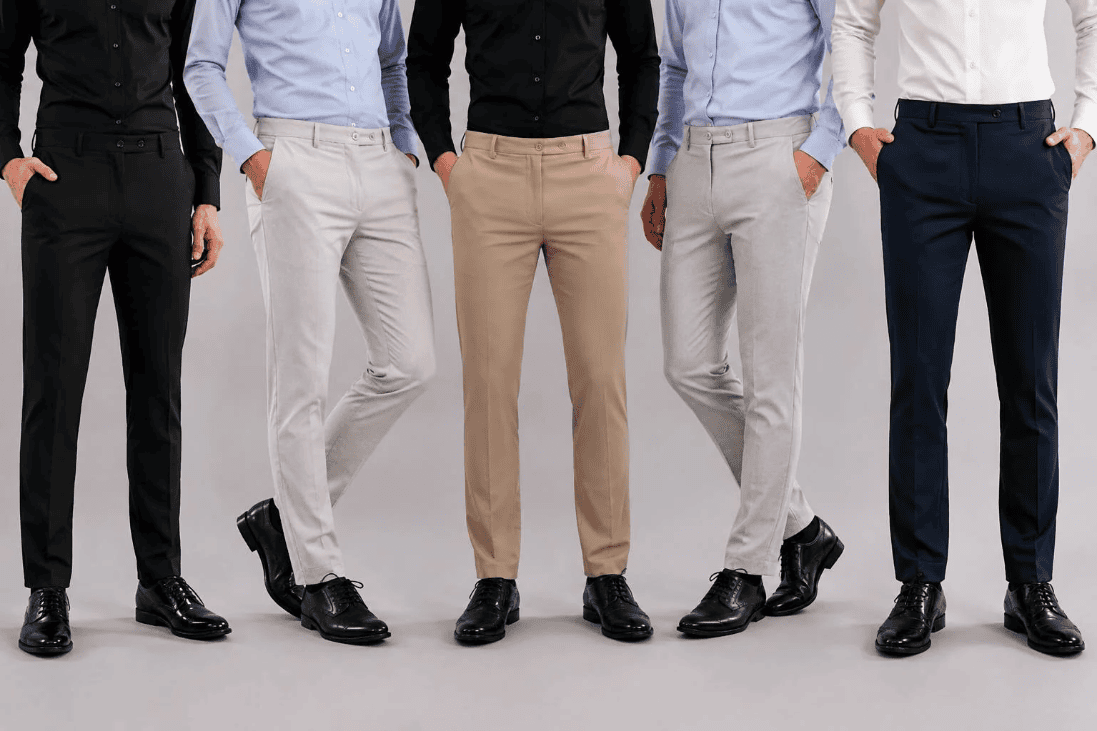
A strong wardrobe starts with versatile essentials that can be repeated across the week without losing freshness. Neutral shirts, structured trousers, and light layering pieces help create consistency in appearance. Choosing men’s formal trousers online at Mr Vastra store can make it easier for educators to maintain that consistency, since it offers options that balance structure and comfort for classroom and campus environments. A dependable base also reduces decision fatigue in the morning, allowing educators to focus more on preparation for lectures rather than outfit selection. Over time, a well-chosen set of basics naturally becomes a personal uniform that feels both practical and professional.
Creating consistency in the classroom appearance
Consistency in dressing helps establish a recognizable professional identity. When teachers maintain a steady style pattern, students naturally associate them with discipline and reliability. This consistency also improves classroom dynamics because students respond better to educators who appear organized and intentional. Instead of experimenting daily, repeating proven combinations creates visual stability. Small refinements like rotating shirts or adjusting layers keep the look fresh while maintaining structure. Over time, this repetition builds a strong visual identity that supports authority and trust without needing dramatic style changes.

Choosing outfits that support long teaching hours
Educators spend hours standing, walking, and engaging in active communication, so clothing must support movement. Breathable fabrics, relaxed tailoring, and lightweight materials help reduce fatigue during the day. A well-planned wardrobe ensures that focus remains on teaching rather than adjusting or feeling restricted by clothing. Stretchable waistbands, soft seams, and ergonomic cuts also play an important role in ensuring comfort throughout extended lectures and meetings. Proper airflow and fabric flexibility also help maintain energy levels during long academic schedules.
Understanding the modern academic dressing balance
Academic dressing today is influenced by evolving expectations of professionalism. While traditional formal wear still holds value, modern educators often blend comfort with structure. A thoughtful men’s fashion guide helps maintain this balance, ensuring that outfits remain appropriate while still feeling practical for daily academic life. This approach allows educators to stay relevant without compromising professionalism. It also helps them adapt to changing institutional cultures where presentation is important, but rigidity is no longer necessary for credibility.
Selecting colors that suit educational environments
Color choices in academic settings should feel calm, neutral, and professional. Shades like navy, grey, beige, and soft pastels work well because they do not distract students and still maintain visual appeal. A controlled color palette also makes outfit coordination easier and more efficient throughout the week. Educators who follow a consistent color system often find dressing faster and more organized, as every piece naturally blends with others. This reduces confusion and ensures a balanced, cohesive appearance every day.
Incorporating structured layering for versatility
Layering adds depth to an educator’s outfit while improving adaptability across different classroom environments. Lightweight blazers, sweaters, and open shirts can transform basic outfits into more refined looks. This approach allows teachers to adjust their appearance based on lectures, meetings, or casual academic interactions. Layering also helps manage seasonal temperature changes, making it practical for year-round academic dressing. It adds subtle structure that enhances presence without making the outfit feel heavy or overly formal.

Maintaining practicality in everyday teaching outfits
Workwear for educators should always prioritize ease of maintenance and long-term usability. Clothing that resists frequent wear and retains shape helps reduce daily stress. This is where trendy men’s apparel becomes relevant, offering updated styles that still maintain practicality for regular academic use. Easy-care fabrics, wrinkle resistance, and durable stitching make a significant difference in maintaining a presentable look throughout busy schedules. Practical clothing ensures educators stay focused on teaching rather than outfit upkeep.
Enhancing presence through subtle detailing
Small details often make a noticeable difference in professional appearance. Clean footwear, minimal accessories, and neat grooming contribute to an overall polished look. Educators do not need elaborate styling; instead, subtle refinement ensures they appear confident and approachable. Even simple elements like a structured bag or a clean wristwatch help elevate presence without distraction. These small refinements support a composed and professional academic image that students and colleagues naturally respect.
Conclusion
Workwear for teachers and professors should always support professionalism, comfort, and simplicity. A well-planned wardrobe helps educators maintain confidence while focusing on their primary responsibility, teaching. When clothing choices are practical and consistent, they naturally enhance presence in academic environments without requiring unnecessary effort.